Funding Your Education A Guided Self-Assessment
6 minute read
A quick story to start
Many learners begin with a rough idea of how they’ll pay for school—maybe tuition and books are covered, but other costs like childcare, transportation, or unexpected expenses haven’t been factored in yet. Taking a few minutes to think through the bigger picture can help prevent surprises and build confidence in your plan.
This guide walks you through simple steps to get your gears turning toward clarity and next steps.
How to use this guide
-
Read each section and jot quick notes in a notebook or your phone.
-
Treat this like a 20-minute roadmap.
-
By the end, you’ll have a clear next step and fewer unknowns.
✨ Note: Even if you don’t write anything down, simply reviewing these steps will get your gears turning toward what comes next.
| Current Plan | Concerns | Cost | Next Steps | Action |
Step 1: Capture your current plan
Do you have a plan for paying for school? Write it down—whether it’s solid, partial, or just ideas.
| Area of Opportunity | What's the plan? |
| Savings | |
| Scholarships or grants | |
| Loans | |
| Employer support | |
| Work-study or side income | |
| Other options |
💡 Coach’s Tip: It’s okay if this list feels incomplete. Today’s snapshot is a starting point, not the finish line.
Step 2: Name your concerns
-
What are your biggest concerns about paying for school?
-
How confident do you feel right now about your ability to fund your education?
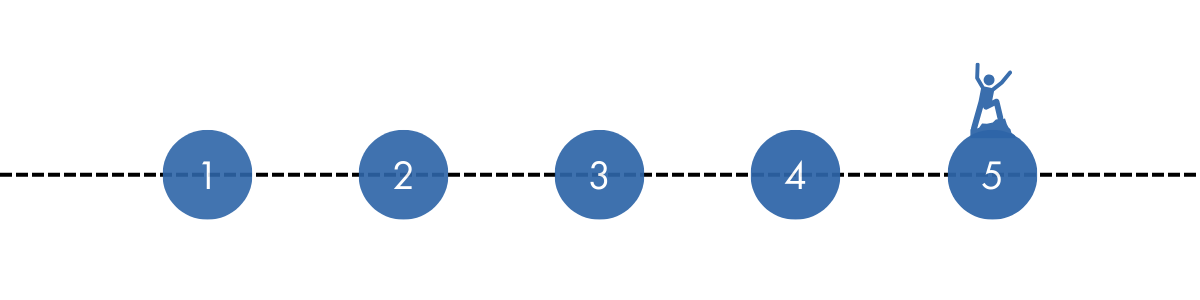
Confidence scale (choose where you land today):
1 = No plan, unsure where to start
2 = Some ideas, but unclear
3 = Pieces of a plan, still gaps
4 = Plan mostly works, some questions remain
5 = Clear plan, confident moving forward
💡 Coach’s Tip: Concerns are normal. Writing them down turns them into a to-do list you can work through. You may also find it powerful to say your phrase out loud—it can help you fully acknowledge your situation and take ownership of your next step.
Step 3: Build your cost picture
Think beyond tuition. Which of these do you have numbers for? Which are still blank?
-
Tuition & fees
-
Books & materials
-
Living costs (housing, food, utilities)
-
Childcare or family costs
-
Transportation/travel
-
Other essentials (internet, licensing exams, uniforms, equipment)
Reflection: Which cost would you least want to be surprised by?
💡 Coach’s Tip: Each unknown is simply a question for your financial aid office—not a barrier.
Step 4: Choose your next step
From your notes, pick one small step you can take this week:
| Steps | Why it matters | How to start |
|---|---|---|
| Contact financial aid | Answers on deadlines, eligibility, and funding options | Call or email the financial aid office |
| Complete FAFSA | Required for most aid, scholarships, and loans | Apply at studentaid.gov |
| Search scholarships/grants | Access free funding opportunities | Explore Scholarships.com or CareerOneStop |
| Compare payment plans/work-study | Reduce upfront costs and potentially add income | Ask financial aid about available programs |
| Draft a simple budget | Build confidence and control over money | Try Federal Student Aid’s Budgeting Tips |
💡 Coach’s Tip: One step in 20 minutes is better than five perfect ideas left undone.
Step 5: Reflect and take action
-
What do you want to feel more certain about after doing this?
-
Write a single-sentence commitment: “This week, I will ______.”
💡 Coach’s Tip: Keeping your goal small and time-bound helps momentum build naturally
Helpful links (keep handy)
-
FAFSA application & help center: https://studentaid.gov/h/apply-for-aid/fafsa
-
Federal Student Aid budgeting tips: https://studentaid.gov/resources/prepare-for-college/students/budgeting
-
Scholarships search: https://www.scholarships.com/
-
CareerOneStop scholarships: https://www.careeronestop.org/Toolkit/Training/find-scholarships.aspx
-
Loan management basics: https://studentaid.gov/h/manage-loans
(Tip: If unsure which FAFSA year to file or how summer term works, ask your school’s financial aid office directly.)


